Static ads get scrolled past. Printed flyers get thrown away. But a well-produced commercial video stops people, holds their attention, and gives them a reason to act. For local businesses across Michigan — from Ann Arbor to Lansing to Jackson — commercial video production has become one of the most effective tools for standing out in a crowded market.
If you're running a small or mid-sized business, the question isn't whether video should be part of your marketing. It's what kind, how to approach it, and how to get it done without blowing your budget. This guide walks through all of it.
Why Commercial Video Outperforms Other Ad Formats
Video combines sound, motion, and narrative in a way that static images and text simply cannot. When someone watches a 30-second commercial for a local business, they walk away with a sense of who you are, what you offer, and whether they trust you. Building that same impression with copy alone takes considerably more time and effort.
Higher conversion rates are a consistent benefit of well-placed commercial video. A promo clip on your homepage, a product video in a Facebook ad, or a short spot running on Instagram puts your brand in front of prospects at the moment they're deciding whether to contact you. The visual and emotional connection accelerates that decision in a way that text-based ads rarely do.
Broader distribution is the other major advantage. One commercial video can run on TV, YouTube, your website, social media, and inside email campaigns simultaneously. The production investment spreads across multiple channels without additional creation costs. A single shoot day with a professional crew can generate months of usable content across platforms.
What Makes a Commercial Video Actually Work
A great-looking commercial that fails to communicate clearly is just expensive wallpaper. The technical quality matters, but it has to serve a clear message.
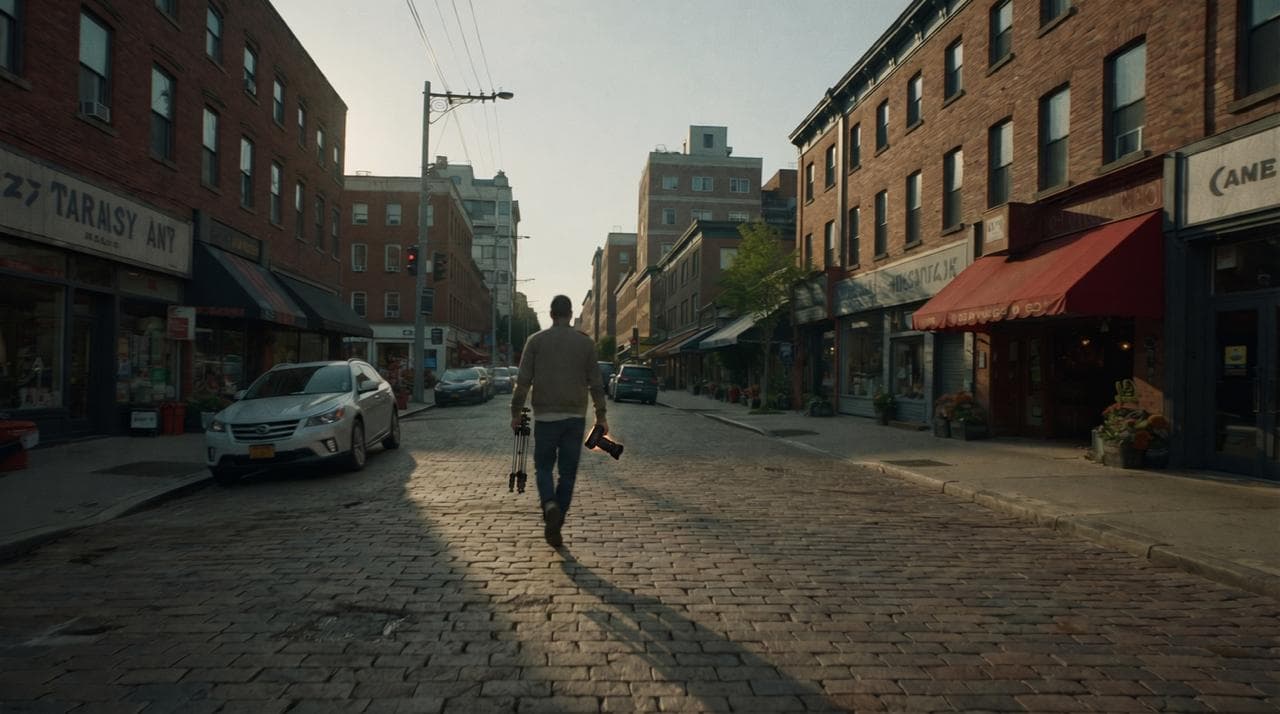
Storytelling with a point. The best commercial videos tell a short story with a beginning, middle, and end. They introduce a relatable problem, show the solution, and close with a clear next step. Shooting on location in places like downtown Chelsea or along the waterfront in Grass Lake can add authenticity that generic studio footage never achieves.
A clear call to action. Without one, even a beautifully shot video falls flat. Your viewer needs to know exactly what to do next: visit your website, call your team, come into the store, or sign up for a demo. The call to action should be specific, not vague.
Production quality that matches your brand. Smartphone footage is fine for social media personality content. For commercial video — something representing your business to potential customers — professional production signals that you take your business seriously. That signal matters more than most owners realize.
Brand consistency. Your video should feel like it belongs alongside your other marketing. Same tone, same color palette where possible, same message. Inconsistency creates confusion and erodes trust.
Types of Commercial Videos for Local Businesses
Not every commercial format serves the same goal. Matching the right type to your objective makes the investment go further.
Product Promotion Videos showcase a specific product or service, walking potential customers through what they get and why it matters. These are particularly effective for e-commerce, retail, or any business where the product itself is the hero.
Event Ads build anticipation for grand openings, seasonal sales, trade show appearances, or community events. Short teasers before the event and recap reels after it can both serve as marketing assets for months.
Seasonal Campaigns connect emotionally with viewers during holidays, back-to-school periods, or other times when purchasing behavior spikes. Timing a seasonal commercial correctly can significantly increase return on a modest production budget.
Social Media Spots are short, punchy, platform-native clips optimized for Instagram, TikTok, or Facebook. These often perform better with slightly less polished production because they fit the informal feel of those feeds. A 15 to 30-second social cut from a larger production shoot costs very little to produce once you already have the footage.
TV Commercials require the highest production standards and budget but deliver broad reach. For Michigan businesses targeting a regional audience, local cable advertising remains surprisingly affordable compared to national buys.
The Commercial Video Production Process
Working with a professional production team breaks the project into clear stages. Knowing what to expect at each step reduces friction and helps you show up prepared.
Pre-Production: Planning and Strategy
This is where the work that determines success actually happens. A good production team will ask about your goals before they ever talk about cameras. Who is the audience? Where will the video run? What action do you want viewers to take? Answers to those questions shape the script, the location choices, the tone, and the pacing of everything that follows.
Pre-production includes scripting or interview prep, location scouting, scheduling, and coordinating any talent or on-camera staff. Businesses that invest time in this phase get better results on shoot day with fewer surprises.
Production: The Shoot
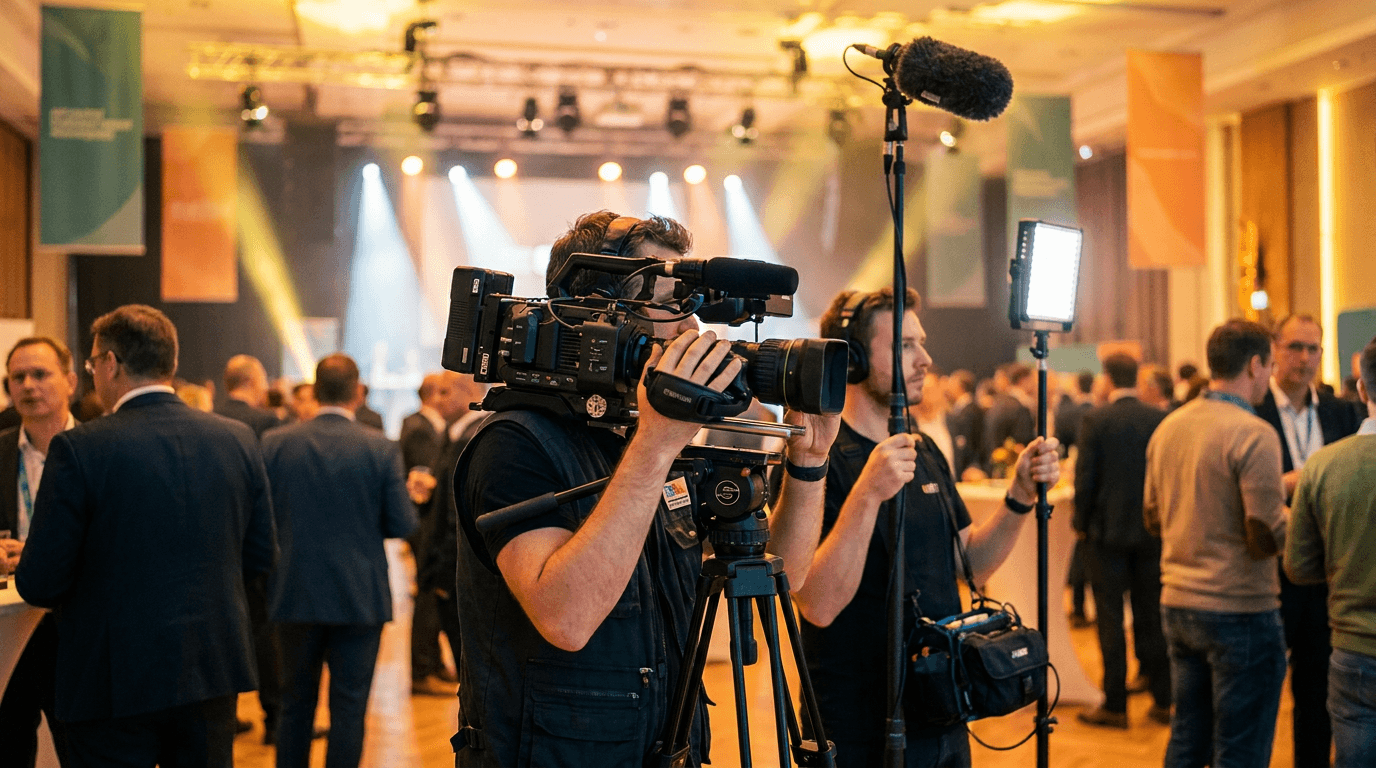
This is the most visible part of the process, but for you as the business owner, it should largely run itself. The crew handles lighting, camera setup, audio, and direction. Your job is to be present, stay relaxed, and trust the process.
Most small business commercial shoots run one to two days. Multiple locations, additional cast, or complex product demos may extend that, but the majority of effective local commercials are captured in a single well-planned shoot day.
Post-Production: Where It Comes Together
Editing, color grading, sound design, music licensing, and motion graphics turn raw footage into a finished product. This stage takes the most time. Budget two to three weeks for a standard commercial project, though rush timelines are possible with advance planning.
Final deliverables typically include multiple cuts: a full-length version for your website, shorter cuts optimized for social platforms, and broadcast-ready files if the video is airing on TV.
What Commercial Video Production Costs in Michigan
Costs vary based on scope, but here are realistic ranges for small and mid-sized Michigan businesses.
A straightforward commercial with a single location, no outside talent, and basic graphics typically runs $2,000 to $4,500. More complex productions involving multiple locations, professional actors or voiceover, drone footage, or animation can range from $5,000 to $12,000 or more.
What drives costs up:
- Multiple shoot days or locations far apart geographically
- Hiring professional on-camera talent or voiceover artists
- Custom motion graphics or branded animation
- Rush post-production timelines
What keeps costs down:
- Thorough pre-production (the more prepared your team, the faster the shoot)
- Batching multiple deliverables into one shoot day (shoot your 30-second commercial and your social media clips on the same day)
- Shooting at your own business location
- Working with a local Michigan crew to eliminate travel fees
That last point is worth emphasizing. Working with a production company based in Michigan means no travel day billing, easier scheduling for follow-up shoots, and a team that already understands the regional market.
Choosing a Commercial Video Production Partner
The company you hire matters as much as the budget you bring.
Start with their reel. Ask to see previous commercial work, not just brand films or event coverage. Commercials require a different set of skills than event documentation, and you want to see evidence that they've done what you're asking.
Ask how they handle strategy. A production team worth hiring will ask about your goals before discussing equipment. If the first conversation is about cameras and lighting specs, keep looking.
Understand what's included. Get clear answers on: number of shoot days, revision rounds for editing, file delivery formats, and what happens if the project runs over budget. These details should be in writing before any money changes hands.
Check audio quality. Watch their previous work twice. First with the sound off to evaluate visual quality. Then with sound, because poor audio consistently separates professional work from amateur work regardless of how good the footage looks.
Local Michigan production teams offer real advantages for regional businesses: no travel markups, availability for follow-up shoots, and an understanding of the communities you're trying to reach.
Frequently Asked Questions
How short should a commercial video be?
It depends on where it runs. For social media ads, 15 to 30 seconds is ideal — short enough to hold attention, long enough to communicate a single clear message. TV spots typically run 30 or 60 seconds. Homepage or landing page videos can run up to 90 seconds if they're structured well. The rule is simple: as short as the message allows, no shorter than the story requires.
Can commercial video production work for a small local business?
Yes. A well-produced commercial levels the playing field between a small shop in Grass Lake and a regional chain with a bigger marketing budget. The goal isn't to look like a national brand — it's to look credible and professional in front of your specific local audience. That's achievable at almost any budget if the production is planned correctly.
Do I need to air it on TV for a commercial video to be worth the investment?
No. Most small business commercial videos today never run on TV at all. They live on Facebook, YouTube, Instagram, and the business website — and that's more than enough to justify the production cost. Local cable TV can still be a cost-effective buy in Michigan markets, but it's an option, not a requirement.
Ready to Get Your Business on Camera?
Michigan Media House produces commercial videos for local businesses across Michigan, from Grass Lake to Ann Arbor to Jackson. We handle strategy, production, and delivery, so you get professional content without managing a production yourself.
If you've been putting off video because you weren't sure where to start or what it would cost, reach out. We'll walk through your goals, talk through realistic options, and figure out what makes sense for your business right now. Not sure what to budget? Our guide to video production cost in Michigan lays out honest price ranges for commercial and other video work.
Looking to build a complete marketing system for your business? See our guide to the RiseLocal website platform.